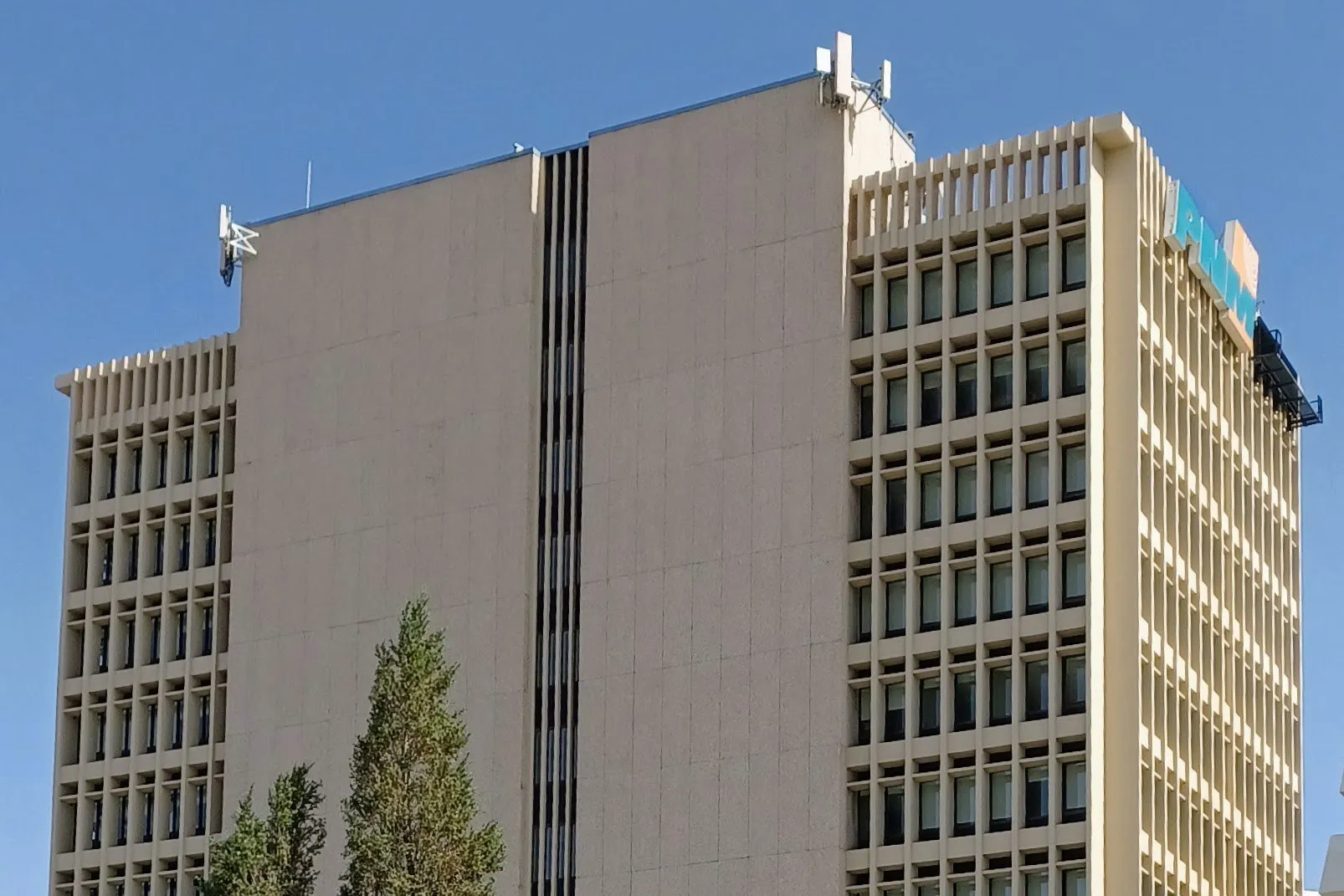
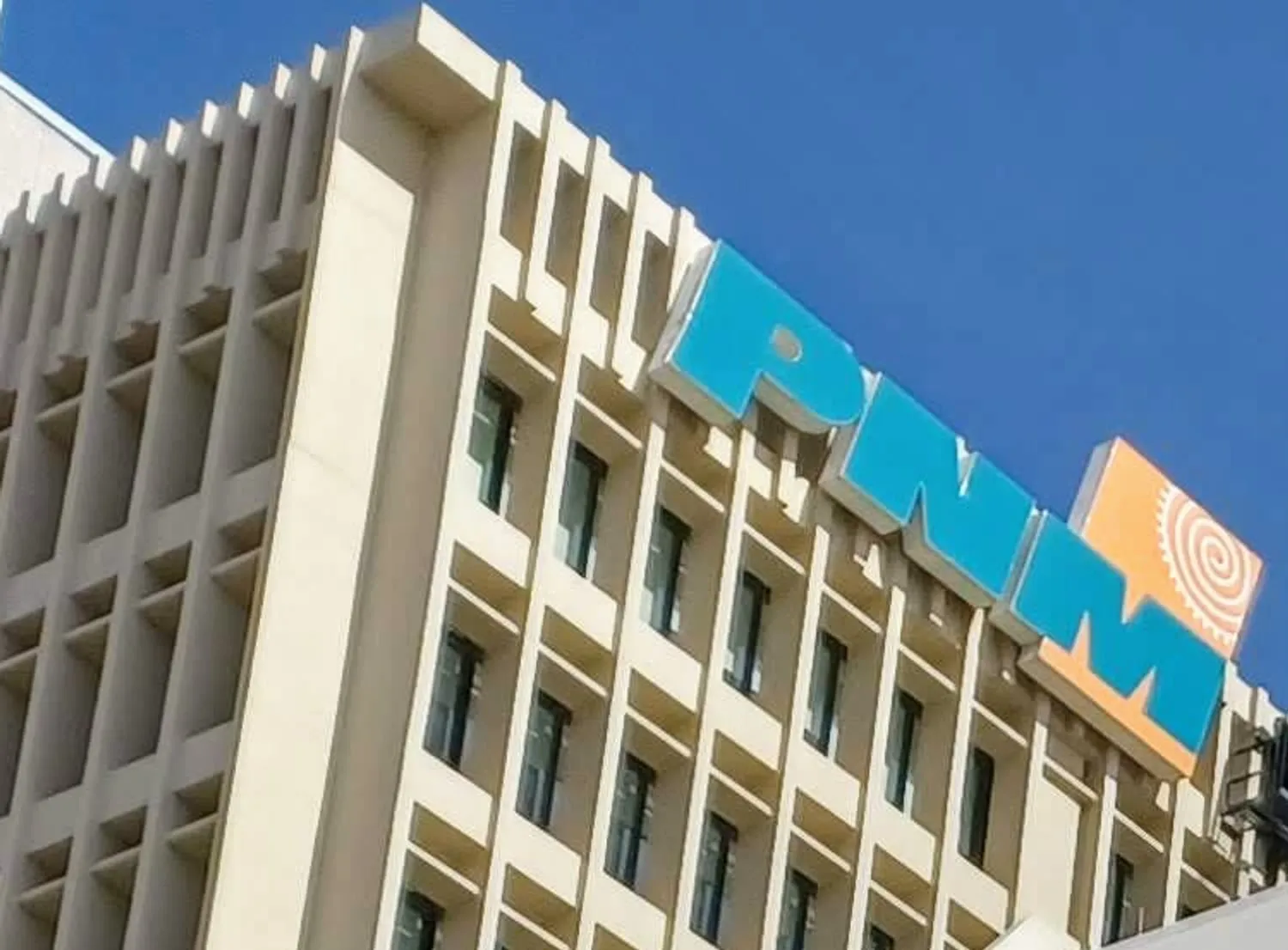
Blackstone, the New York investment firm trying to buy PNM, holds pieces of 25 companies through its infrastructure funds, it told New Mexico regulators last month. The list takes in airports in Greece, marinas, and energy companies from Houston to Chicago. Two are electric utilities, and Blackstone is a minority owner of both.
It holds 19.9% of NIPSCO in northern Indiana, which NiSource still runs, and it bought 5.1% of FirstEnergy in 2021. If the Public Regulation Commission approves the $11.5 billion deal, PNM would be the first regulated utility Blackstone has bought outright. Its roughly 550,000 customers would be the first to learn how Blackstone runs one.
Blackstone’s answer is its people
In its testimony to the commission, Blackstone took up the question of what utility experience its team has. Its answer was its people. All three of its witnesses have sat on utility boards, including FirstEnergy’s and NIPSCO’s. Before Blackstone, one managed another firm’s investments in utilities in Louisiana and Washington, and another managed a Canadian pension fund’s investment in Oncor, in Texas.
Blackstone also promises that PNM stays overseen by its own managers in New Mexico, with its headquarters here. Under the revised offer, five of the nine seats on PNM’s board would go to directors independent of PNM and Blackstone. The board would still need the majority owner’s written consent to hire or fire an officer or to change PNM’s budget, business plan or dividend policy. The new terms “keep PNM locally managed and locally rooted,” TXNM’s chief executive, Don Tarry, said in a statement the Santa Fe New Mexican reported.
New Mexico has let funds buy utilities before, with a rate freeze attached
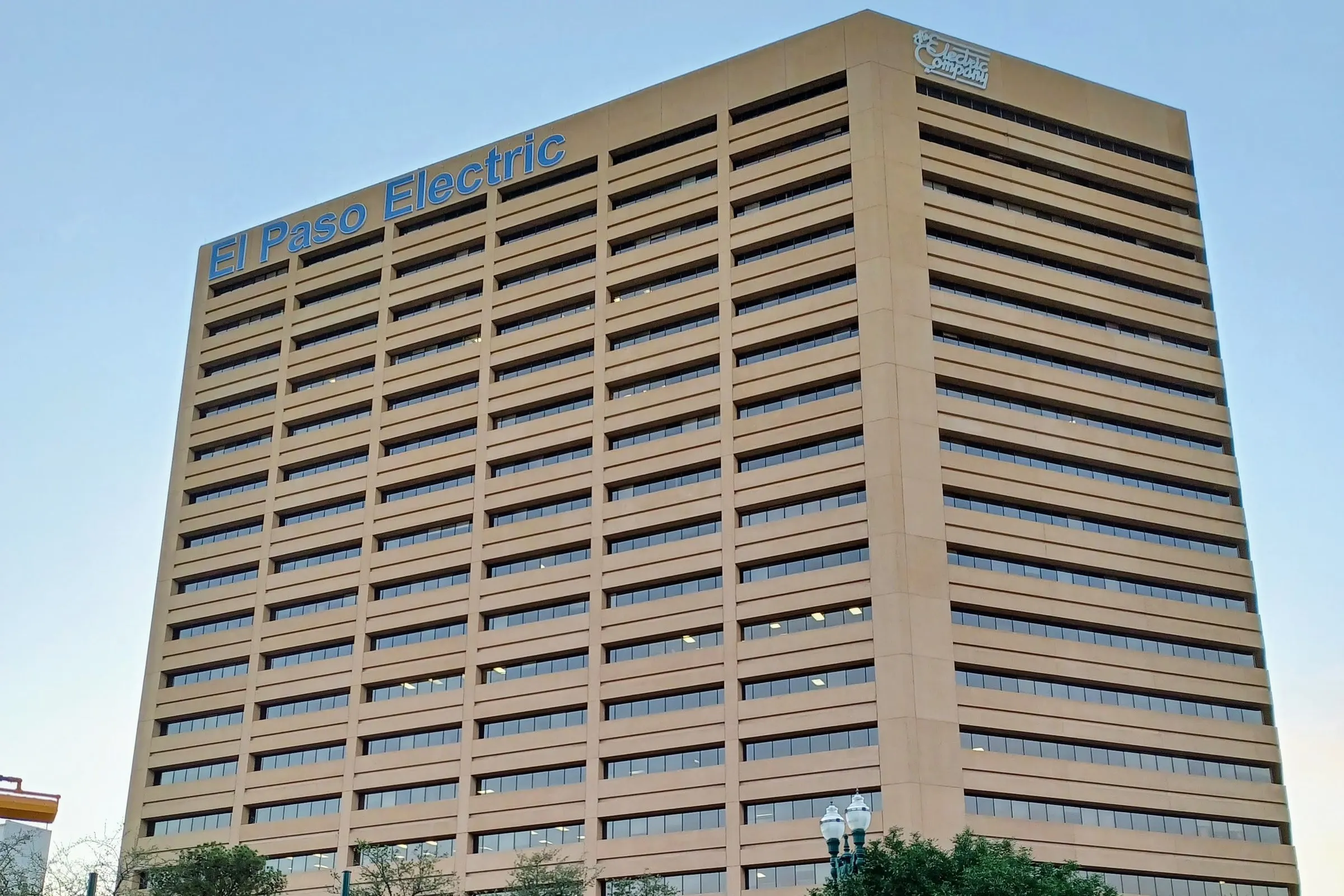
Blackstone would not be the first investment fund to own a New Mexico utility. In 2020 a fund advised by JPMorgan bought El Paso Electric, which serves west Texas and southern New Mexico, with the commission’s unanimous approval.
In July the commission approved the sale of New Mexico Gas Co. to an affiliate of Bernhard Capital Partners, a Louisiana firm the commission’s announcement describes as private equity. Among its conditions was a freeze on base rates through January 2028.
Blackstone’s revised offer has no rate freeze. It offers $220 million in bill credits spread over 10 years.
The forecasts TXNM gave Blackstone during the sale, in 2025, projected PNM rate increases of $83 million in 2027 and $78 million in 2028.
Critics point to Indiana
Opponents of the deal point to NIPSCO, whose customers pay some of the highest rates in Indiana, The American Prospect wrote in June. Indiana’s own survey bears that out. In July 2024, a NIPSCO home using 1,000 units of electricity paid $184, the most of the state’s five investor-owned utilities and nearly 18% more than a year before.
All but about $4 of that bill was base rates, set in a case Indiana regulators decided in 2023, the year Blackstone agreed to buy in. And NiSource runs the utility, not Blackstone. Since then NIPSCO has won another increase, about $23 a month for an average home, phased in through early 2026.
A rocky first year in New Mexico
In 2025 Blackstone bought $400 million of TXNM stock without the commission’s approval. In July the commission voted 2-1 that the purchase broke state law and had to be undone. Blackstone then held on to about $13.3 million in dividends from those shares. Opponents objected at a public hearing in late July, and Blackstone paid the money back on Aug. 7.
Blackstone promises to shield PNM from its debts. None of its promises mention data centers
Louisiana regulators weighed a similar sale in 2016, when a group led by Macquarie, an Australian investment firm, sought to buy the utility Cleco. The Louisiana Public Service Commission turned the sale down in February. A month later it approved it 4-1, after the buyers agreed to $136 million in rate credits for Cleco’s customers and to keep its base rates for two more years. One of Blackstone’s three witnesses managed Macquarie’s Cleco investment. In April the Macquarie group agreed to sell Cleco to two other investment firms, Stonepeak and Bernhard Capital Partners, the firm New Mexico regulators cleared to buy New Mexico Gas in July.
Blackstone’s commitments aim to wall PNM off from its owners’ finances. PNM will not pledge its assets to back the debts of Blackstone or its other companies, and Blackstone will get a legal opinion that a bankruptcy court would keep PNM separate if a parent company went under. Blackstone also promises to keep control of PNM for at least 10 years. The commitments do not say what happens after that, beyond the commission’s approval that any later sale would need.
None of the commitments mention data centers. Before federal regulators, the Center for Biological Diversity argued that Blackstone’s ownership of QTS, a data center company, poses a risk of higher rates for the customers of PNM and its Texas sister utility. The Federal Energy Regulatory Commission found that argument outside the scope of its competition review and approved the deal in February.
The companies have asked for a public hearing early next year. They have given themselves until May 31, 2027 to close the deal.
Reader comments
What do you think?
Burqueños know this city best. Add what you've seen, ask a question, or push back on the story.
Loading comments…
New here? Sign up with your email. Confirm it and you're in, no password.
Comments are closed on this story.
Comments are the commenter's own words, not the Ledger's. Comment rules