New Mexico has already let an investment fund buy a power company. Blackstone now wants to do the same with PNM. Here’s what happened the first time.
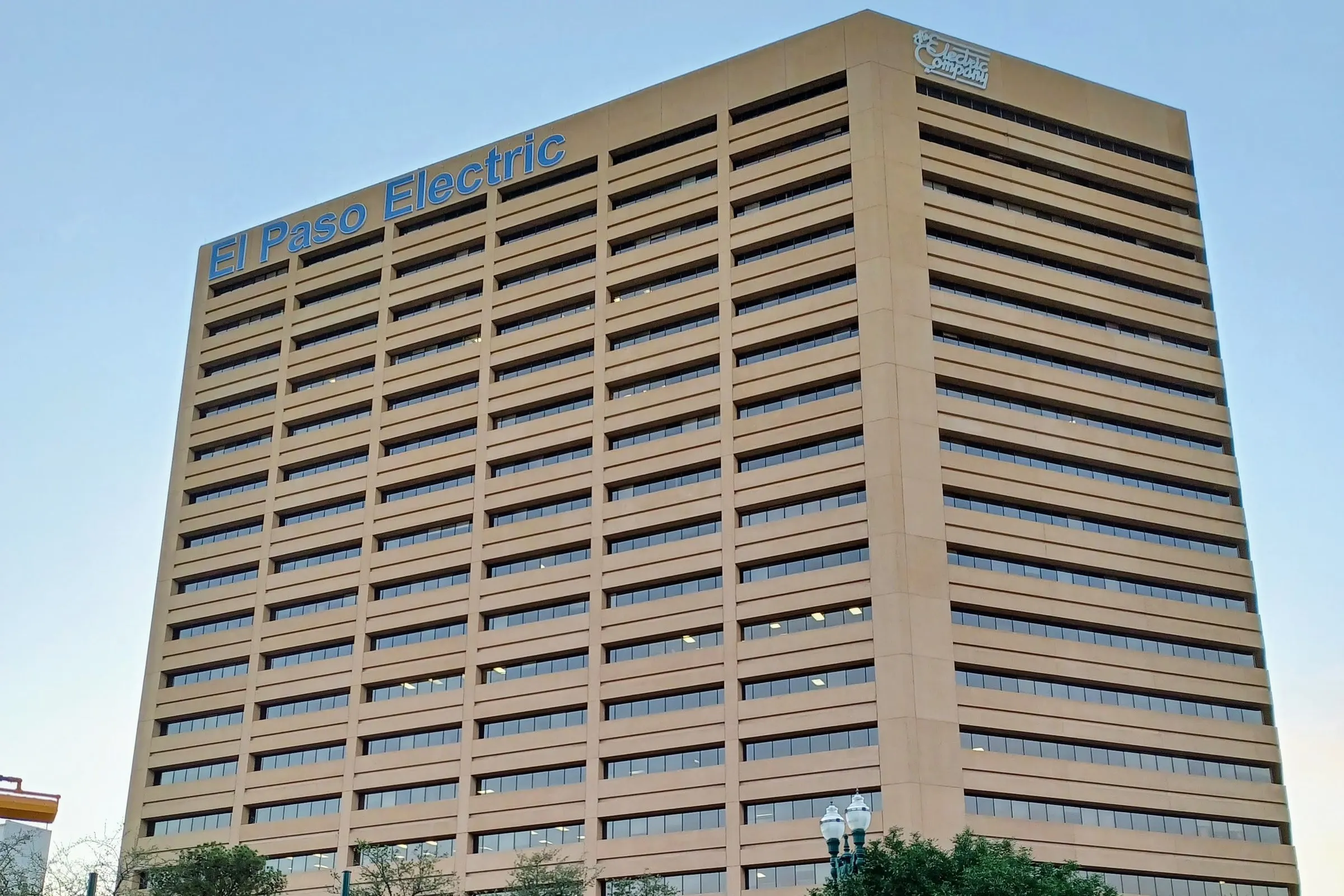
In 2020 a fund advised by JPMorgan bought El Paso Electric. The company sells power in southern New Mexico and west Texas.
What the buyers promised
The Public Regulation Commission is the state board that sets power prices. All of its members voted to approve the sale in March 2020. The deal said:
- New Mexico customers get $8.7 million off their bills, spread over three years.
- The company can’t send its owner more than it earns. In 2023 it told the commission that its payments to its owner won’t be more than its profit.
- It keeps giving $1.2 million a year to charity.
The company says it has given more than that every year since it last asked for new rates, and that customers don’t pay for it.
Bills held steady
Power is sold in units called kilowatt-hours.
In 2019, the year before the sale, El Paso Electric’s New Mexico homes paid about 10.5 cents for each one.
In 2025 they paid about 10.3 cents, a little less. The Ledger worked that out from numbers the company reports to the federal government every year.
PNM’s homes paid 13.3 cents in 2019 and 16.4 cents in 2025. That’s 23% more.
- El Paso Electric
- PNM
The Ledger divided what each company's New Mexico homes paid by how much power they used, from federal records (EIA Form 861), 2016 to 2025, pulled Oct. 14, 2026. The prices include fuel, which goes up and down from year to year. The fund bought El Paso Electric in July 2020. Source: U.S. Energy Information Administration.
Show the numbers
| Period | El Paso Electric | PNM |
|---|---|---|
| 2016 | 11.9 | 12.4 |
| 12.3 | 13.4 | |
| 11.4 | 13.3 | |
| 2019 | 10.5 | 13.3 |
| 10.7 | 14.0 | |
| 11.8 | 14.5 | |
| 2022 | 12.3 | 14.4 |
| 9.6 | 15.2 | |
| 10.2 | 15.6 | |
| 2025 | 10.3 | 16.4 |
These prices include fuel, which goes up and down with natural gas prices. They don’t show why bills moved.
One reason is in the company’s own filing. Its base rates, the main part of a power bill apart from fuel, are still based on what it cost to run the company in 2019, the year before the sale.
The company tried to raise them sooner. The commission set new rates in 2021. The company went to court and won. In 2023 the state Supreme Court threw out the commission’s order and said regulators had wrongly left out some of the company’s costs. New base rates started in January 2024.
Then the company asked to add money it said it lost from 2021 to 2023 onto future bills. In April the Supreme Court said no. Every justice agreed.
Money for the owner
A company’s payments to its owner out of profit are called dividends. El Paso Electric’s reports to federal regulators show the dividends it approved.
From 2021 through 2025 it approved $766 million in dividends. That’s 98% of its profit, by the Ledger’s math from the company’s own reports.
In two of those years it approved more than it earned:
- 2022: $163 million to the owner, on $113 million in profit.
- 2025: $146 million to the owner, on $141 million in profit.
Money also went the other way. Over the same five years, the account that tracks money put into the company by its owner grew by about $1.09 billion. That’s a sign the owner also put money in. The reports don’t list exactly what the owner added.
Texas’s approval of the sale has the same limit: payments to the owner can’t be more than the company’s profit, with tax payments and a nuclear plant fund left out. That limit counts profit one way. The federal reports count it a different way. So these numbers alone don’t show whether the company stayed under the limit.
Now it wants a big increase
In March El Paso Electric asked the commission to raise its base rates in New Mexico by 50.5%, about half. That would bring in about $70.7 million more a year. It filed the request again in August after the commission told it to.
The company says the money pays for $408 million it has spent on New Mexico’s share of its system since 2020: power lines, part of a nuclear plant, local power plants and more.
It also wants regulators to let it earn a 10.7% profit each year on the money its owner has put in.
Here’s what a home would pay once the full increase is in place, using the company’s own numbers:
- A summer month (750 kilowatt-hours): $87.88 now, $138.12 after. That’s 57% more.
- A winter month (500 kilowatt-hours): $52.26 now, $77.18 after, 48% more.
- The flat charge every home pays each month: $7.00 now, $19.17 after.
Those totals already include lower fuel and renewable-energy charges that the company expects.
It wants the increase in two steps, in January and October 2027. The commission’s hearing runs Dec. 9 to 22 on Zoom. Comments go to the commission under case 25-00082-UT.
The commission decides how much of the increase, if any, customers pay.
What it means for PNM
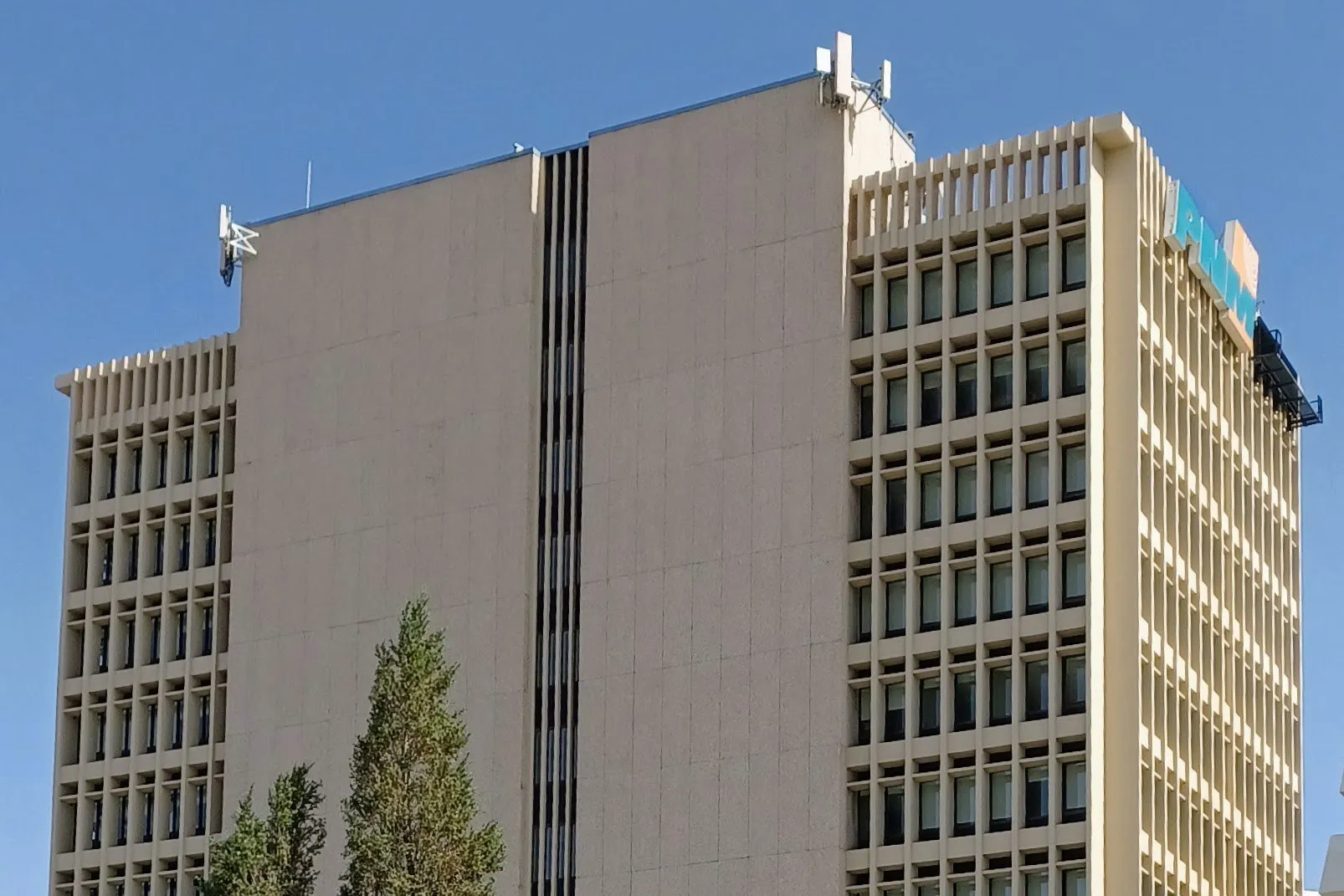
Blackstone’s bid to buy PNM is still waiting on the commission. Part 2 explains where it stands and what Blackstone has promised.
Bill credits and price freezes cover the first few years after a sale. El Paso Electric’s customers are now at the next step: the company’s first full request for new rates under the fund. The commission decides after the December hearing.
Have your say
Anyone can send the Public Regulation Commission a written comment on either case before it decides. You don’t need an account.
To speak at a commission meeting instead, in person, online or by phone, email public.comment@prc.nm.gov by 5 p.m. the day before, or call (505) 490-7910.

Reader comments
What do you think?
Burqueños know this city best. Add what you've seen, ask a question, or push back on the story.
Loading comments…
New here? Sign up with your email. Confirm it and you're in, no password.
Comments are closed on this story.
Comments are the commenter's own words, not the Ledger's. Comment rules