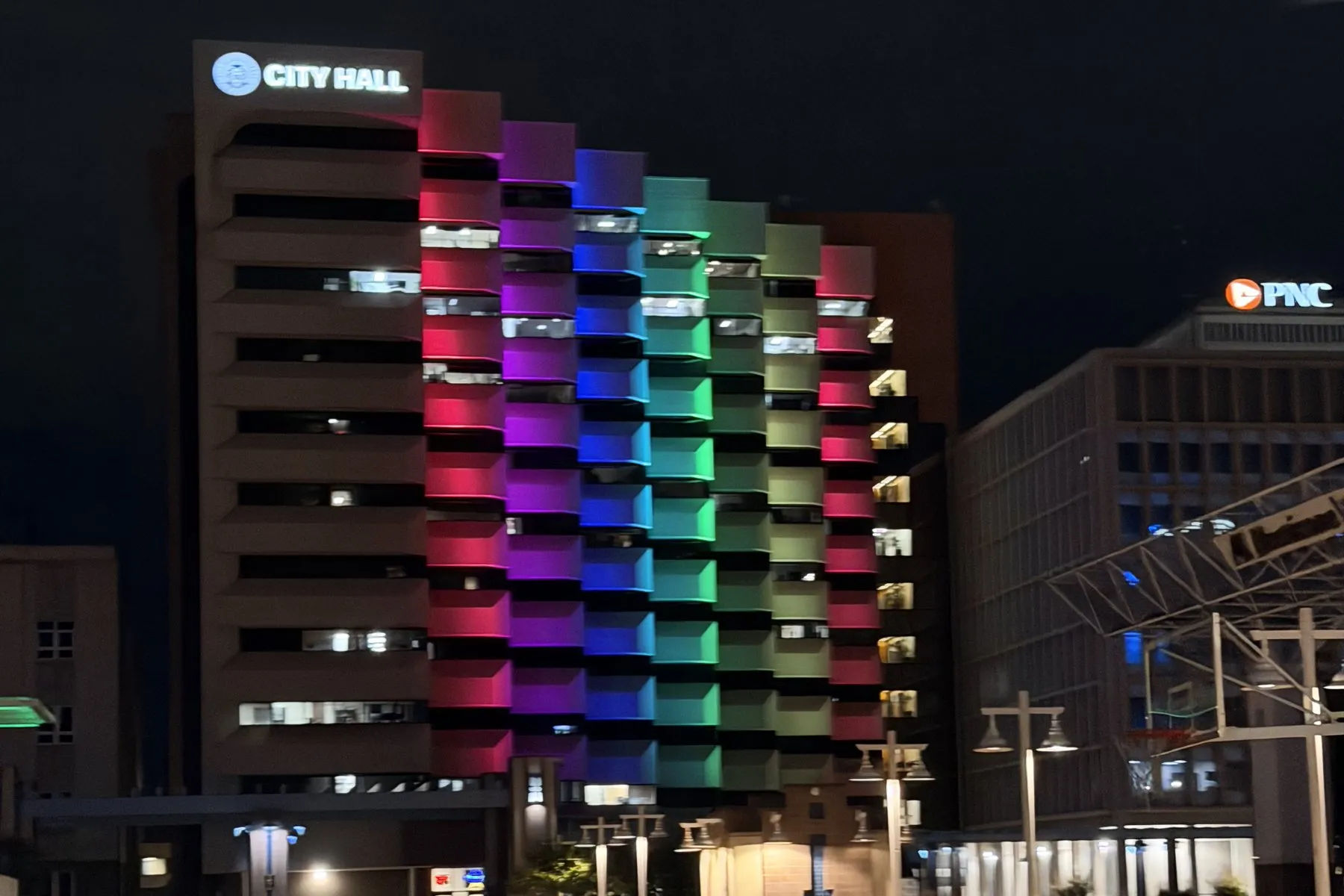
The Albuquerque City Council voted 5-4 Monday night to stop recognizing neighborhood coalitions, the umbrella groups that speak for several neighborhood associations at once. Recognition is what gives a group notice of development applications and automatic standing to appeal them. Coalitions would lose both.
Councilors voting yes were the sponsor, Dan Lewis, along with Dan Champine, Tammy Fiebelkorn, Renée Grout and Stephanie Telles. Joaquín Baca, Brook Bassan, Klarissa Peña and Nichole Rogers voted no.
The bill, O-26-61, is not law yet. It goes to Mayor Tim Keller, who has 10 days to sign it or return it with his objections. If he does neither, it becomes law. Overriding a veto takes two-thirds of the city council, six votes. The bill got five.
What changes for your neighborhood
The bill’s own count is that eight recognized coalitions cover 96 percent of the city’s land. If the bill takes effect, those coalitions keep meeting and can still speak at hearings. They stop getting the city’s notice of nearby projects and lose the automatic right to appeal one.
Neighborhood associations keep their recognition, with new rules. Telles, who represents District 1, rewrote several of them in four floor amendments the city council adopted before the final vote. The amendment text was not yet posted on Tuesday, so these are the main changes as she described them at the meeting:
- An appeal needs a member vote. A majority of the members who vote must approve it, and at least 10 percent of members or 15 of them, whichever is fewer, must take part. Two officers sign a certification of the count that goes in with the appeal. It does not have to say how each member voted.
- The vote can happen fast. Notice of an appeal vote can go out seven days ahead by email and the association’s website or social media, so an association can act inside the 15-day appeal window.
- Old boundaries lose their exemption. An association may cover no more than one square mile, but those recognized by October 2017 have been allowed to keep larger boundaries. The bill ends that exemption. An amendment from Telles, Champine and Grout raises the limit to two square miles and gives existing associations until July 1, 2027 to comply. Telles said only one group has to redraw its lines: her own Taylor Ranch Neighborhood Association.
Why it split the city council
Lewis, of District 5, said coalitions claim to speak for “vast areas of our city,” and that the appeal power they were given is a big part of why his district lacks grocery stores, infrastructure and jobs. “There’s not one neighborhood association in my entire district that opposes this bill,” he said.
Telles said coalitions would have more freedom, not less, free of the city’s rules on boundaries, bylaws and dues. “Your influence doesn’t come from city recognition,” she said. She added that most appeals have been against safe outdoor spaces, the city-approved sites where people can stay in tents or vehicles with services on hand, rather than against affordable housing. The Ledger has not checked that count.
Two of the no votes came from councilors who said their own coalition works. Bassan, of District 4, said the bill “is penalizing my really awesome coalition” to get at others she called “increasingly and more routinely problematic when it comes to development”. Rogers, of District 6, said she has 26 neighborhood associations and meets most of them at once through the District 6 Coalition. Her office’s emails and calls on the bill ran 24 or 25 in favor and 28 against, she said.
Baca, of District 2, co-sponsored the city’s last overhaul of appeals with Lewis, O-24-69, passed in January 2025. He said he had promised residents two years of data on that law before changing course again, and that the data is not in yet.
Appeal fees come back Oct. 19
A companion bill, O-26-60, would raise the cost of appealing an approved project to $1,000 with notice, up from $190 to $265 today. The city council amended it and pushed the vote to Oct. 19. Telles’s changes, as she described them, would adjust the fees for appellants who are poor or have low incomes and allow two business days to pay.
Two memorials, which ask the Legislature for something and carry no force of law, passed. One, asking lawmakers to let cities define who can appeal a zoning decision, passed 9-0. The other, asking that cities be allowed to send some appeals straight to district court, passed 6-3, with Bassan, Peña and Rogers against.
Before the vote, the Ledger laid out what the four bills would do.

Reader comments
What do you think?
Burqueños know this city best. Add what you've seen, ask a question, or push back on the story.
Loading comments…
New here? Sign up with your email. Confirm it and you're in, no password.
Comments are closed on this story.
Comments are the commenter's own words, not the Ledger's. Comment rules